
Charging, batteries and the things worth knowing
Most battery anxiety is misplaced. The habits that matter are few and dull.
Electric car batteries degrade slowly and predictably under normal use. The behaviours that accelerate it are known, and avoiding them is not difficult.
Heat is the main enemy, and Southern California supplies plenty of it. A car parked in the sun all day for years will age its pack faster than one in a garage. This matters more than most charging habits.
State of charge matters at the extremes. Sitting for long periods at very high or very low charge is harder on the pack than sitting in the middle. For daily use, charging to somewhere around eighty per cent and topping to full only before a long trip is the common recommendation, and most cars will do this automatically once you set it.
Rapid charging is fine and is what it is for. Using it exclusively, every day, in high heat, is harder on the pack than using slower charging at home and rapid charging when travelling.
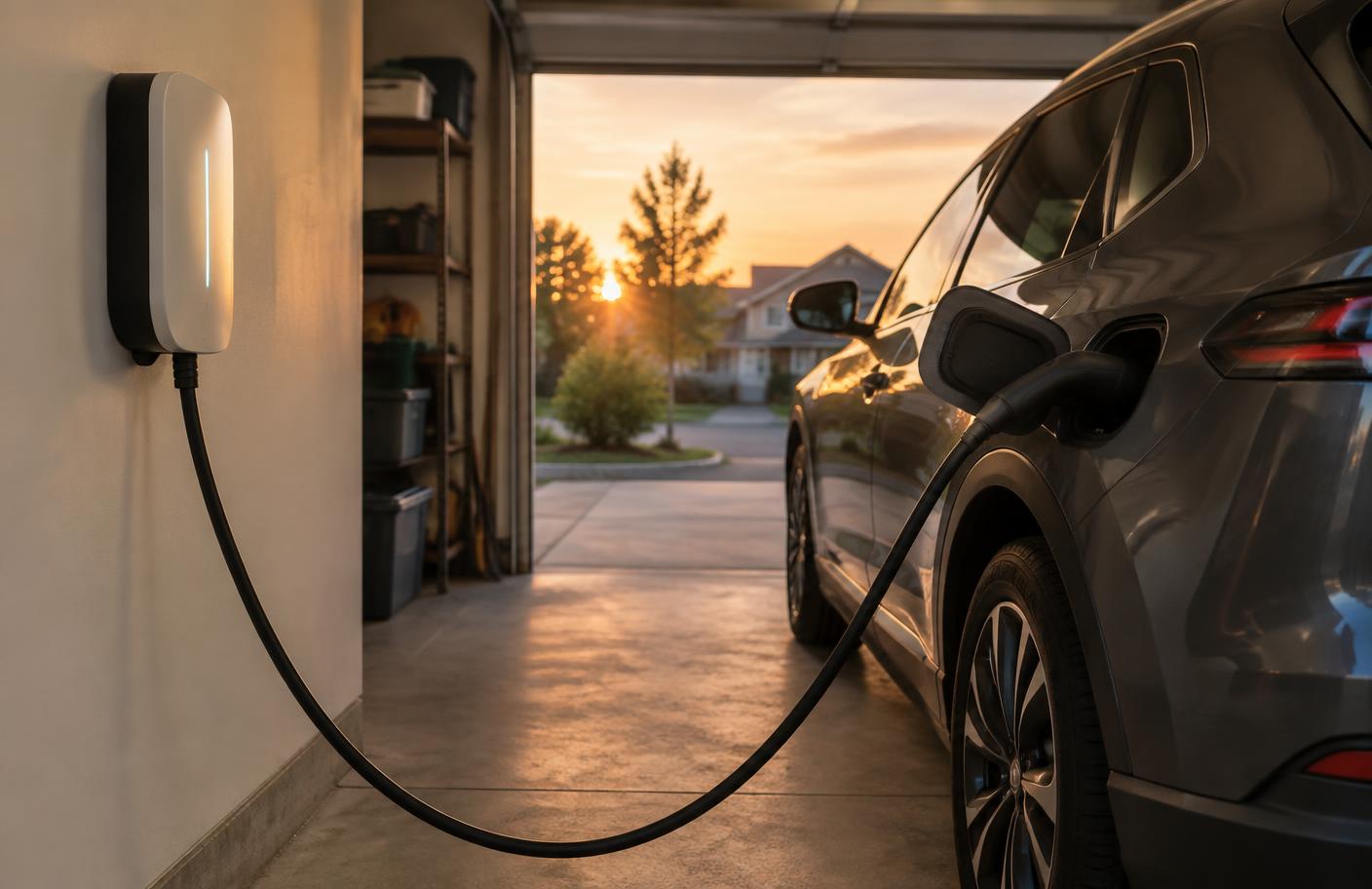
Home charging is where the real difference lies, and not because of the battery — because of the cost and the convenience. Before buying, find out what installing a home charger involves at your property, including whether the panel needs work, since that cost is part of the car's cost.
On safety: thermal incidents in modern electric cars are rare, rarer than fires in petrol cars per mile driven. The relevant precaution is the ordinary one — a charger installed by a licensed electrician on circuitry rated for it.