
Modifying a leased car
You do not own it, and the contract says so in some detail.
A leased car belongs to the lender. What you may do to it is governed by the contract, and the general rule is simple: anything you change must be returned to standard before you hand it back, and anything that cannot be reversed will be charged for.
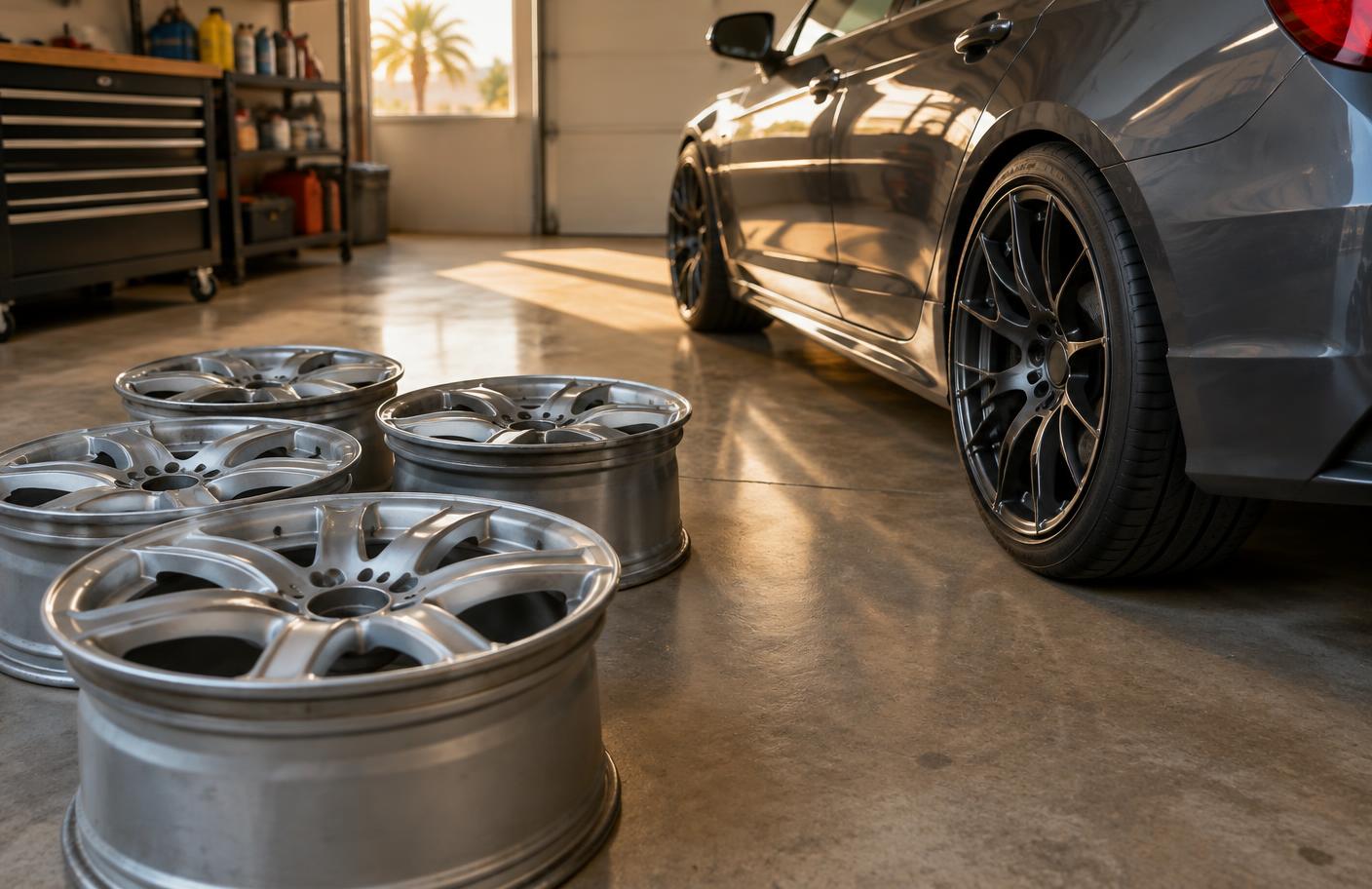
Wheels and tyres are the usual flashpoint. Changing them is fine if you keep the originals and refit them at the end — and if the replacements meet the size and load rating the car requires, because returning it on something unsuitable creates a wear charge and, in the meantime, an insurance conversation you would rather not have.
Window tint, wraps and paint protection film are usually acceptable and usually removable, but removal can damage what is underneath if it is done badly or left too long. Budget for professional removal rather than assuming.
Anything structural, anything involving the engine's management software, and anything that leaves a hole is a different matter. Drilled mounting points, cut trim and remapped ECUs are not reversible in the sense the contract means.
If the car is genuinely a canvas for you, lease is the wrong product. If you simply want different wheels for three years, keep the originals in the garage and put them back.