
What an electric car costs to run
Cheaper in some places, not in others, and the answer depends on where you charge.
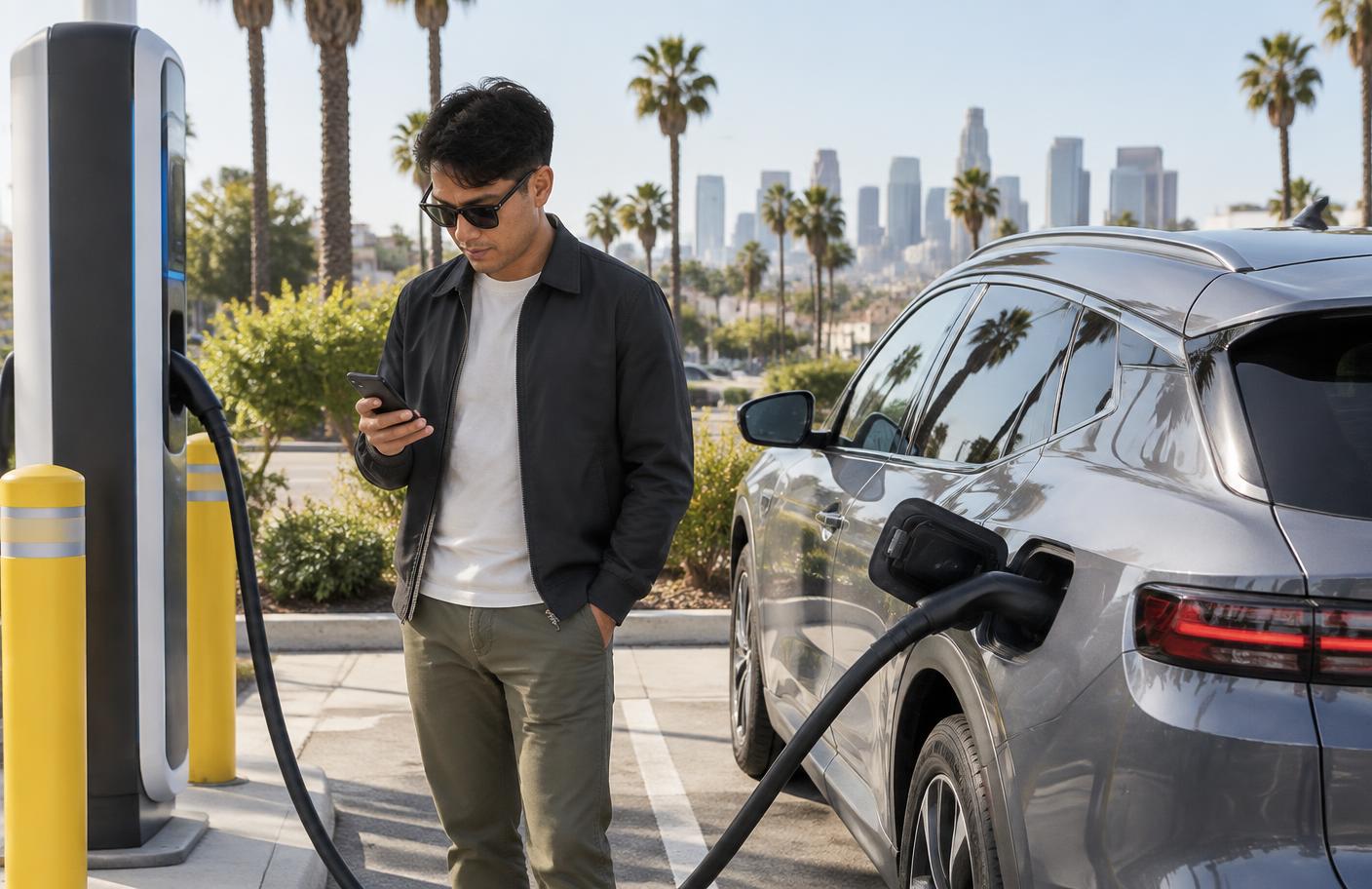
Running costs are the usual argument for an electric car, and the argument is sound — with conditions.
Energy is the first. The comparison that matters is not electricity against petrol in the abstract, but your electricity, at the rate you actually pay, at the time you actually charge, against the fuel your current car actually uses. Time-of-use tariffs make overnight charging substantially cheaper than daytime, and public rapid charging is substantially more expensive than home charging — sometimes enough to erase the advantage entirely for someone who cannot charge at home.
Maintenance is genuinely lower. No oil services, no exhaust, no timing components, and brakes that last far longer because regenerative braking does most of the work.
Tyres are higher. Electric cars are heavy and deliver torque instantly, and tyres wear accordingly. This is a real line item, not a footnote.
Insurance is often higher, reflecting repair costs and the value of the pack.
Depreciation has been the volatile one, moving sharply with technology, supply and the incentive landscape. It is the largest cost on a new car and the hardest to predict on this class of car in particular, which is one reason leasing is disproportionately popular here.
Work it out with your own numbers. The averages in any article, this one included, are not your situation.